
Texas 765kV Transmission Lines: What Mineral Owners Need to Know Right Now
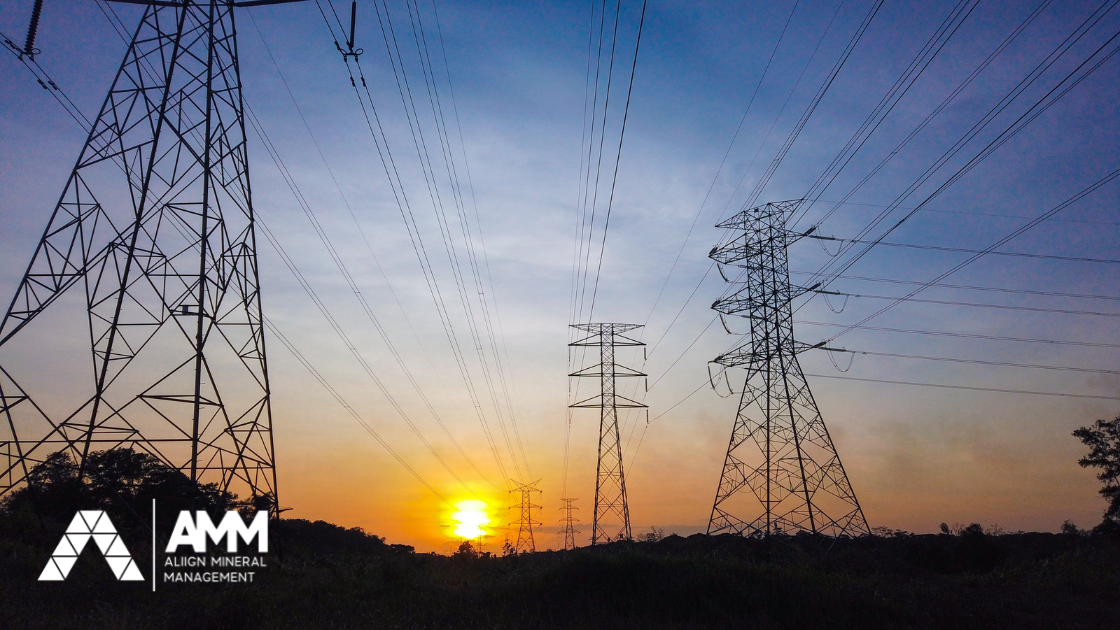
If you own mineral rights in Texas — especially in or near the Permian Basin or other producing regions in the western part of the state — the ongoing fight over proposed 765-kilovolt (765kV) transmission lines is not just an energy policy story. It is a private property rights story, and it directly affects the value, usability, and long-term potential of the land tied to your minerals.
At Aliign Mineral Management, we track policy and regulatory developments that affect mineral owners. The 765kV transmission line situation has risen to a level where we believe every mineral owner in Texas needs to understand what is happening and what questions to be asking.
What Are the Proposed 765kV Transmission Lines?
Texas utility companies, under approval from ERCOT (the Electric Reliability Council of Texas) and the Public Utility Commission of Texas (PUC), are seeking to build a massive new high-voltage transmission network as part of the Permian Basin Reliability Plan. These lines are designed to move large amounts of electricity from West Texas to meet growing demand from:
- Oil and gas operations
- Industrial users
- Population growth across the state
- Potential data center development
The structures supporting these lines can reach nearly 200 feet tall. Because of their scale, these lines cross extensive stretches of rural and agricultural land — often the same land where mineral rights exist. The rights-of-way required are substantial and permanent.
Why Should a Mineral Owner Pay Attention?
You may be thinking: “I own minerals, not surface rights. This is a surface issue.” That distinction matters, but it does not fully protect you from the consequences of what happens above ground on mineral-producing properties.
“From a mineral owner perspective, this issue is particularly significant because many of these corridors could cross ranches and mineral-producing properties where surface access, future development flexibility, and long-term estate value are major considerations. The discussion is increasingly becoming not whether Texas needs additional transmission infrastructure, but whether the current regulatory process fairly balances grid reliability with private property rights.”
— Rex Tamplin, CPA, Founder and Partner in Charge, Aliign Mineral Management
Here is why this matters specifically to mineral owners:
- Surface access and future development flexibility. Many minerals are tied to ranches, farms, and rural properties where surface access is critical for continued drilling, production, and equipment placement. A permanent 200-foot transmission corridor cutting across a property can restrict how and where future wells are located, how operators access production equipment, and how a property is used overall.
- Long-term estate and property value. Mineral interests do not exist in a vacuum. The overall value of a mineral-producing property — including what you could receive in a sale or pass to your heirs — is influenced by the condition and usability of the surface estate. Permanent easements and large-scale transmission infrastructure can affect marketability and long-term value.
- Mineral-producing properties are disproportionately affected. These corridors are most likely to cross the ranches, rural tracts, and working lands where oil and gas development is active. If your minerals are producing or have future production potential, the property they sit on is exactly the kind of land in the path of these routes.
What Is the Problem With the Current Process?
The core concern raised by landowners, policymakers, and organizations representing rural property owners is that the regulatory process for approving transmission line routes has not given affected parties a fair and meaningful opportunity to participate.
Here are the specific issues that have been raised, including at a 15-hour Senate hearing on July 29, 2026:
- Lack of adequate notice. Landowners reported they did not receive sufficient or timely notice that proposed routes were crossing their properties. By the time many affected owners became aware, significant routing decisions had already been made.
- Constant route changes. Lieutenant Governor Dan Patrick noted that “hour after hour, witness after witness testified they did not have adequate notice and have no idea where the lines are going because of constant route changes.”
- Compressed timelines. Under state law, the PUC has 180 days from initial filing to complete the transmission line approval process. Landowners argue that timeline does not provide enough opportunity to meaningfully evaluate, challenge, or participate in routing decisions.
- Routing decisions appear predetermined. Many affected landowners contend that by the time they are brought into the process, the routes have effectively already been decided. Public input feels procedural rather than substantive.
- Transparency of need. Questions have been raised about whether the load forecasts supporting this buildout — including projected demand from data centers and future industrial development — are sufficiently transparent or grounded in demonstrated need rather than speculative projections.
- Cost allocation. Because major transmission projects are generally recovered through transmission rates across the ERCOT system, existing ratepayers — including oil and gas operators whose costs can affect royalty economics — could bear costs that may not be proportionate to the benefits they receive.
What Is the Government Doing About It?
Texas leaders have taken the landowner concerns seriously. Here is where things stand as of this writing:
- State Senator Charles Schwertner, who chairs the Senate Business and Commerce Committee, published a letter calling for the PUC to deny the existing 765kV transmission applications and require reapplications that address the concerns raised at the hearing.
- Lieutenant Governor Dan Patrick publicly backed that position, stating the current process “is broken and must be reformed.”
- The Texas House Committee on State Affairs held an interim hearing on August 19, 2026, specifically focused on the proposed 765kV lines and the routing process.
- Legislative reform of the Certificate of Convenience and Necessity (CCN) application process — the formal approval pathway for transmission lines — is expected to be a priority in the 90th Legislative Session beginning in January 2027.
Importantly, neither the Lieutenant Governor nor Senator Schwertner has the authority to permanently stop construction under current law. The PUC retains authority over the formal approval process, which is why reform legislation is considered the most meaningful path forward.
What Should You Do Right Now?
If you own mineral rights in Texas, here are practical steps you can take:
- Know your property. Understand the surface ownership situation on the land tied to your minerals. If you own both surface and mineral rights, you are more directly exposed. If the surface is separately owned, you still have an interest in what happens to that land.
- Track route information. Monitor PUC filings and ERCOT updates for proposed 765kV routes. If a proposed corridor crosses property tied to your minerals, you may have standing to participate in the proceeding.
- Document your interests. Make sure your mineral ownership documentation is current, complete, and accessible. If an easement negotiation or condemnation proceeding arises, you need a clear record of your interests.
- Engage before decisions are final. The central lesson from the current controversy is that waiting until after routing decisions are made leaves landowners and mineral owners with limited options. Engage early.
- Consult an advisor who understands mineral economics. Decisions made on the surface of mineral-producing properties have downstream consequences for royalty income, development potential, and asset value. Work with advisors who understand those connections.
The Bottom Line
This is a developing situation with significant long-term implications for mineral owners across Texas. The debate over the 765kV transmission lines is, at its core, a debate about whether private property rights — including the rights tied to mineral-producing land — will be genuinely protected in the process of building 21st-century energy infrastructure.
Aliign Mineral Management will continue to monitor this issue and share updates as the legislative and regulatory process moves forward. If you have questions about how this could affect your specific mineral interests, we encourage you to reach out to our team.
Rex Tamplin, CPA, is the founder and partner in charge of Aliign Mineral Management, part of the HMV Family of Companies. Tamplin brings over 23 years of accounting and oil and gas industry experience to the firm.
Sources
- After hearing hours of testimony, Texas leaders want controversial power line applications denied — KXAN News
- 765-kV Transmission Lines | House State Affairs, 8.19.2026 — Texas Policy Research (texaspolicyresearch.com)
- TLMA Files Comments on 765kV Transmission Line Routing Process
This publication does not, and is not intended to, provide audit, tax, accounting, financial, investment, or legal advice. Readers should consult a qualified professional advisor before taking any action based on the information herein.